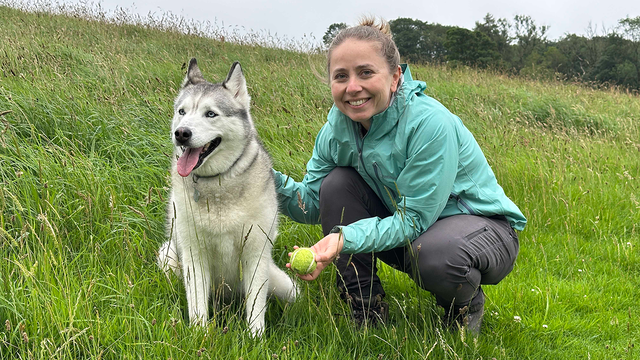
In this episode, we speak with Dr. Julia Stewart Lowndes, marine ecologist and Founding Director of Openscapes, who splits her time between the UK and California. With two decades of experience across academia and open data initiatives—spanning a PhD at Stanford, eleven years at UC Santa Barbara with the Ocean Health Index, and a Mozilla Fellowship—Julia shares her journey from feeling isolated by overwhelming research data to leading a global movement centered on empowerment, welcome, and data reuse.
We explore the core philosophy behind Openscapes, which approaches open science not merely as code or software products, but as an intentional way of collaborating and working together. Julia details how Openscapes supports culture change inside large scientific institutions like NASA and NOAA Fisheries through their Champions Program and Mentors Framework. She highlights how the diffusion of innovation relies fundamentally on social infrastructure—partnering with organizations like The Carpentries to teach inclusive pedagogy, integrating professional coaching practices, and sustaining high levels of cross-team communication.
Turning to tooling and real-world collaboration, we examine how Posit's open-source publishing system, Quarto, is being used across teams. From NASA's cohesive Earth data Jupyter notebook "cookbooks" to NOAA Fisheries' standardized cruise onboarding manuals and field inventory plans, Quarto provides a shared medium for both technical and non-technical documentation. Julia and the hosts unpack the universal organizational challenge of keeping documentation alive and explain how structured remote co-working sessions help transform tacit, isolated knowledge into visible, shared organizational assets.
Finally, the conversation shifts to the broader roles and challenges facing modern science and AI. While AI can accelerate technical tasks, Julia emphasizes the enduring value of "slowness" in basic research and warns against removing the critical learning embedded in data wrangling. To close, she reflects on navigating information hygiene and staying current by actively learning from mentor cohorts, curating professional networks, and returning to physical books to shape new organizational ideas.